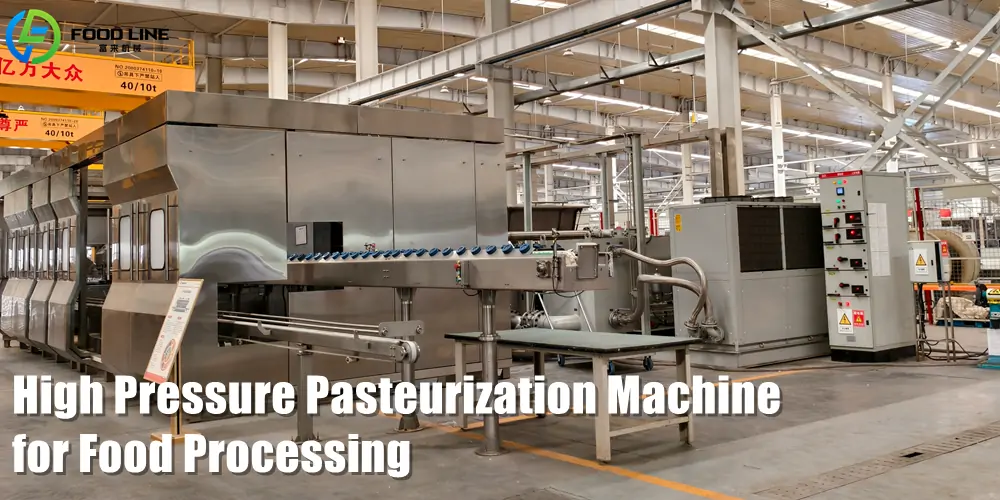
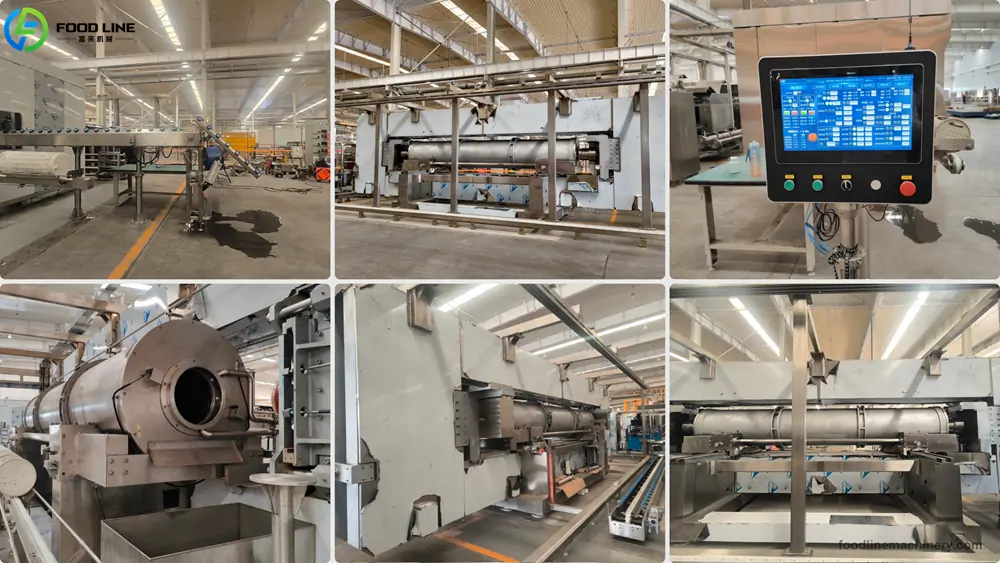
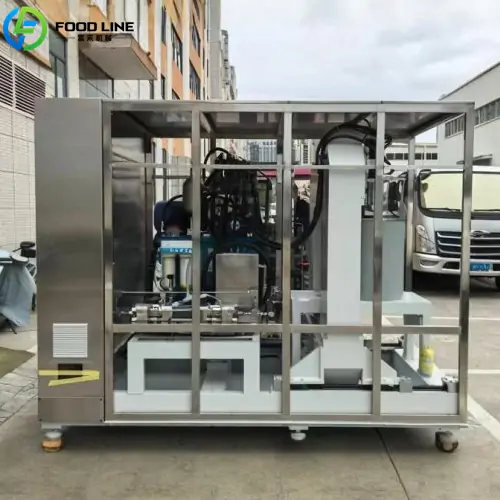
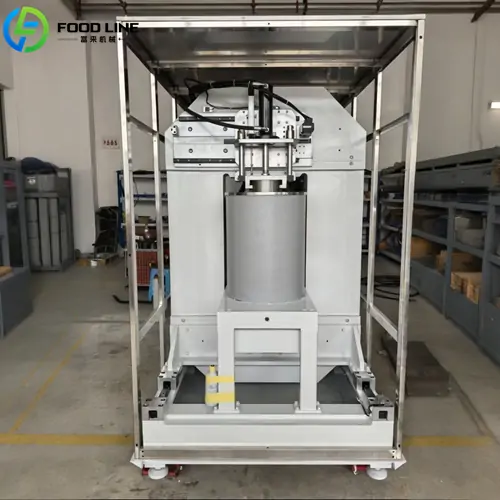
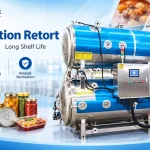
High Pressure Pasteurization Machine for Food Processing
Our high pressure pasteurization machine uses ultra-high water pressure to reduce harmful microorganisms in packaged food. It helps food manufacturers extend refrigerated shelf life while maintaining the original taste, color, and texture of suitable products.
High Pressure Pasteurization Machine – Extend Food Shelf Life While Preserving Fresh Quality
High pressure processing (HPP) is a non-thermal food preservation technology. It uses pressure instead of high temperatures as the main treatment method. The HPP machine is suitable for juice, meat, seafood, dairy products, sauces, ready-to-eat meals, etc.
Request a Free Quote | Contact Our HPP Specialists
Maximum working pressure: Up to 600 MPa for standard configurations
Available capacities: From laboratory-scale units to industrial systems
Processing method: High-pressure water treatment
Control system: Automatic pressure control and safety protection
Packaging: Processes suitable products after sealing
HPP solution for your production line
Looking for an HPP solution for your production line? Tell us your product, package size, and target output. Our team can recommend a suitable solution.
Get a Free Quote | Request Technical Specifications
What Is a High Pressure Pasteurization Machine?
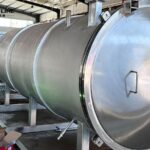
The high pressure pasteurization machine, also called HPP machine, is a food processing equipment that applies very high water pressure to packaged products.
HPP (High-Pressure Processing) equipment is a non-thermal processing system that utilizes ultra-high hydrostatic pressure (typically 400–600 MPa) to perform “cold pasteurization” on food at ambient temperatures. So, the HPP is often called cold pasteurization. It effectively inactivates microorganisms while maximizing the retention of the food’s natural flavor, color, and heat-sensitive nutrients.
Important: HPP is not a universal sterilization method. It does not reliably destroy all bacterial spores. Each product requires a validated process and suitable storage conditions.
How Does an HPP Machine Work?
The HPP machine works in 4 simple steps:
1. Load the Packaged Food
Place sealed food packages into the loading basket. Use packaging designed to withstand high pressure and compression.
2. Fill the Vessel and Build Pressure
The vessel is filled with water. The high-pressure pump raises the pressure to the selected processing level.
3. Hold the Pressure
The machine keeps that pressure steady for as long as needed. While it’s holding, the pressure goes to work, knocking out the target microorganisms throughout the product.
4. Release Pressure and Unload
The system releases pressure in a controlled manner. Operators then unload the treated packages for inspection, storage, and distribution.
The pressure and holding time required for sterilization depend on the food type, target microorganisms, packaging type, and shelf-life requirements.
Features of Our High Pressure Pasteurization Equipment
1. Non-Thermal Processing
HPP uses water pressure rather than high heat as the main treatment method. It helps preserve the fresh taste, color, and texture of many suitable foods.
2. Extended Refrigerated Shelf Life
The treatment can reduce spoilage microorganisms and selected pathogens. Shelf-life improvement depends on the food, processing conditions, packaging, and cold-chain management.
3. Treatment After Packaging
The machine treats sealed packages, helping reduce the risk of contamination after processing. Suitable flexible packaging is essential.
4. Uniform Pressure Transmission
Water transmits pressure in all directions. This allows the treatment to reach the packaged product without relying on direct heat penetration.
5. Automatic Pressure Control
The control system manages pressure and holding time according to the selected process. Safety interlocks help protect the vessel, equipment, and operators.
6. Flexible Capacity Options
Different vessel sizes are available for laboratory trials, product development, pilot production, and industrial processing.
7. Product-Specific Configuration
Our team can help select vessel capacity, loading arrangements, and supporting equipment based on your product, package dimensions, and target production volume.
Note: The High Pressure Processing Equipment is only suitable for flexible packaging. Materials must be pre-packaged in flexible, water-resistant containers (such as plastic composite bags or bottles), as rigid packaging (such as metal cans or glass bottles) would deform or rupture under high pressure.
Applications of High Pressure Pasteurization Machine
Our high pressure pasteurization machine is suitable for a wide range of packaged foods.
Pet Food: Suitable fresh pet food and meat-based products.rget microorganisms, and intended storage conditions must be checked before processing.
Juices & Beverages: Cold-pressed juice, smoothies, and coconut water.
Meat & Poultry: Cooked ham, sliced meat, and ready-to-eat poultry.
Seafood: Oysters, shrimp, and packaged seafood products.
Dairy Products: Selected cheeses, yogurt-based products, and dairy dips.
Sauces & Purees: Guacamole, salsa, fruit purees, and salad dressings.
Ready-to-Eat Meals: Packaged soups, cooked dishes, and refrigerated meals.
Not sure whether HPP is suitable for your product? Send us your product details and packaging information for a technical assessment.
Discuss Your Application With Our Engineers
Small High Pressure Pasteurization Machine Specifications
Parameter
HPP-5L
HPP-50L
Nominal vessel capacity
5 L
50 L
Inner vessel dimensions
Ø100 × 520 mm
Ø200 × 1,800 mm
Maximum working pressure
600 MPa
600 MPa
High-pressure pump units
1
1–2
Installed power
6 kW
55 kW
Pressure control
Automatic
Automatic
Pressure compensation
Automatic
Automatic
Pressure release
Automatic
Automatic
Safety system
Intelligent safety protection
Intelligent safety protection
Approximate pressurization time
5 minutes
5 minutes
Other Available Capacities
Foodline Machinery also provides 4L, 40L, 300–338L, and 600–612L vessel classes. If you want to buy a reliable HPP machine for non-thermal pasteurization, please leave click the button below to get a quote.
Request a Detailed Datasheet and Quotation
Please note: Vessel volume is not the same as hourly production capacity. Actual throughput depends on package size, loading density, pressure holding time, loading and unloading time, and the full production cycle.
How to Choose the Right HPP Machine
Choosing the right high pressure pasteurization machine starts with your product and production requirements.
1. Identify Your Product
Tell us whether you process juice, meat, seafood, sauces, dairy products, or another food. Different products may require different pressure and holding-time settings.
2. Confirm Your Package Type
Provide the package material, dimensions, weight, and filling volume. Flexible packages and suitable semi-rigid containers are common choices. Rigid containers and packages with trapped air may not be suitable.
3. Calculate Your Required Output
Estimate your daily production target and the number of packages per batch. Vessel capacity alone cannot determine the machine’s actual output.
4. Define Your Shelf-Life Goal
Tell us your target shelf life, storage temperature, and distribution method. These details help determine whether HPP is appropriate for your product.
5. Plan Your Installation
Consider the available factory space, electrical supply, water requirements, drainage, loading area, and maintenance access.
Our team can review these details and help you compare suitable HPP configurations.
Get a High Pressure Pasteurization Machine Quote
High Pressure Pasteurization vs. Traditional Heat Pasteurization
Comparison
High Pressure Pasteurization
Traditional Heat Pasteurization
Main treatment method
High water pressure
Controlled heat
Heat exposure
Limited compared with conventional thermal treatment
Uses heat as the main treatment method
Flavor and texture
Can better preserve fresh characteristics in suitable foods
May change heat-sensitive qualities
Processing stage
Commonly after final packaging
Often before or during packaging
Packaging needs
Must withstand high pressure and compression
Must withstand the selected thermal process
Spore control
Does not reliably destroy all bacterial spores
Depends on the thermal process; ordinary pasteurization does not necessarily destroy spores
Typical use
Suitable packaged foods, often refrigerated
A wide range of food products and preservation processes
Neither technology is best for every food. The right method depends on the product, required microbial reduction, target shelf life, packaging, and storage conditions.
Why Choose Foodline for HPP Equipment?
Foodline Machinery is an experienced food processing equiment manufacturer from China. Our certified HPP equipment can effectively preserve nutrition and flavor. We have exported the high pressure processing machine to Spain, Canada, Australia, the UAE, Saudi Arabia, etc.
Are you planning to produce fresh juice, packaged meat, seafood, sauces, or ready-to-eat foods? Tell us about your product and production goals. Our team will help you evaluate suitable HPP equipment and prepare a quotation.
Frequently Asked Questions
1. What is a high pressure pasteurization machine used for?
It uses ultra-high water pressure to reduce harmful microorganisms in suitable packaged foods. Common applications include juices, meat, seafood, selected dairy products, sauces, and ready-to-eat meals.
2. What is the difference between an HPP machine and a sterilization machine?
HPP mainly inactivates many vegetative microorganisms. It does not reliably destroy all bacterial spores, so it should not automatically be treated as a complete sterilization solution.
3. What pressure does an HPP machine use?
Many commercial HPP processes operate within approximately 400–600 MPa. The suitable pressure depends on the product and the validated process. Some equipment configurations may have different maximum pressure ratings.
4. Does HPP affect food taste and nutrition?
HPP can preserve many fresh sensory characteristics because it limits heat exposure. However, pressure can affect some proteins, enzymes, and other food components. Product testing is recommended.
5. What packaging can be used with an HPP machine?
Flexible plastic pouches, vacuum packs, and selected semi-rigid containers may be suitable. Packaging must tolerate compression and recover after pressure release. Large trapped air pockets should be avoided.