Many oil mill owners ask a simple question: “If the oil comes from natural seeds, why can’t I sell it directly?”
The answer is simple.
Freshly pressed or extracted crude oil is not the same as finished edible oil. Crude oil contains useful triglycerides, but it also contains gums, free fatty acids, pigments, moisture, waxes, and other impurities. Some crude oils may also contain contaminants introduced during cultivation, storage, transportation, or processing. These substances can affect oil clarity, flavor, stability, and food safety.
This is why edible oil refining is an important part of commercial oil production.
Refining Is About Control, Not Just Removal
The purpose of edible oil refining is not simply to remove everything from crude oil. The real objective is controlled separation.
The unwanted components should be reduced to suitable levels. The useful characteristics of the oil should be considered at the same time.
For oil producers, this means choosing the right process rather than automatically choosing the deepest refining process.
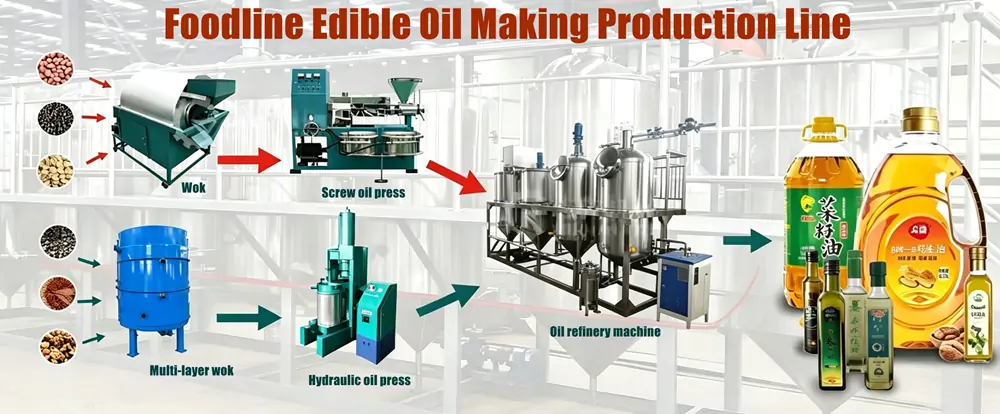
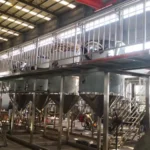
A well-designed cooking oil refining machine can help improve product quality, production consistency, oil recovery, and operating efficiency.
It can also give small and medium-sized oil mills a practical way to move from crude oil production toward higher-value finished products.
Planning an Edible Oil Refining Plant?
Tell us your oil type, capacity, crude oil quality, and target product. Our technical team can recommend a suitable refining process and equipment configuration.
Edith is a seasoned food machinery industry professional with over 10 years of hands-on experience in food processing equipment research, factory website operation, and technical content creation.