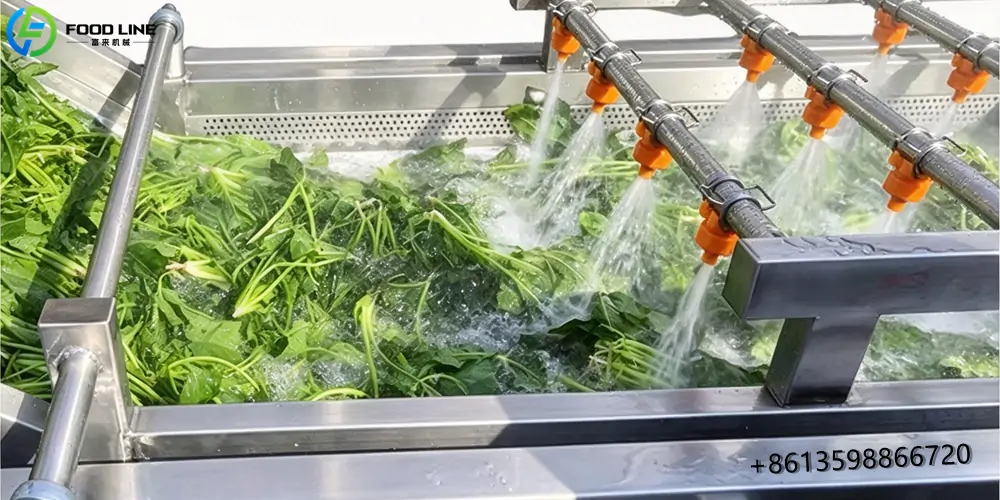
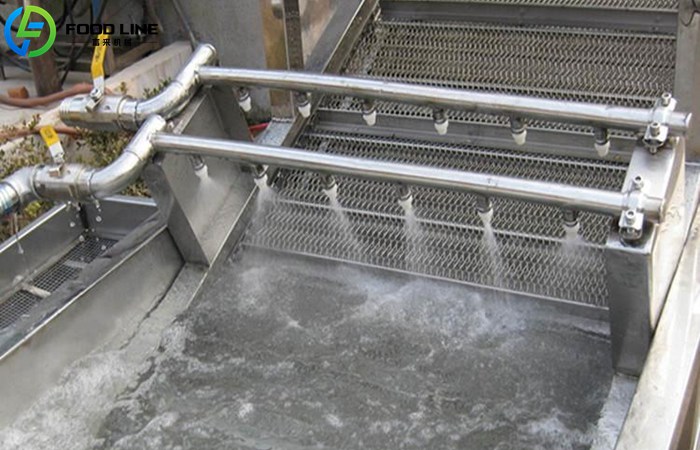
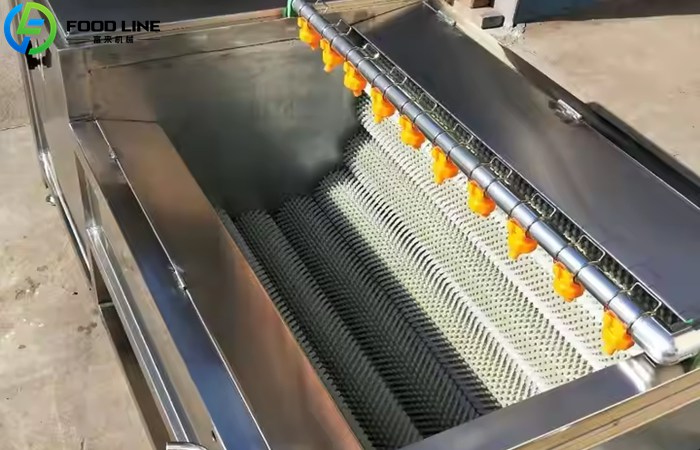
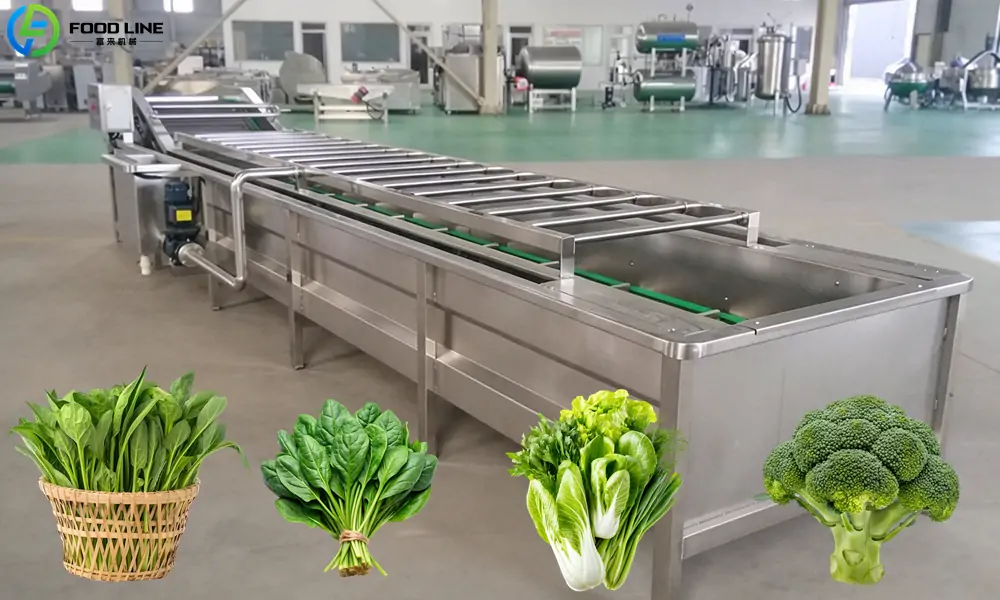
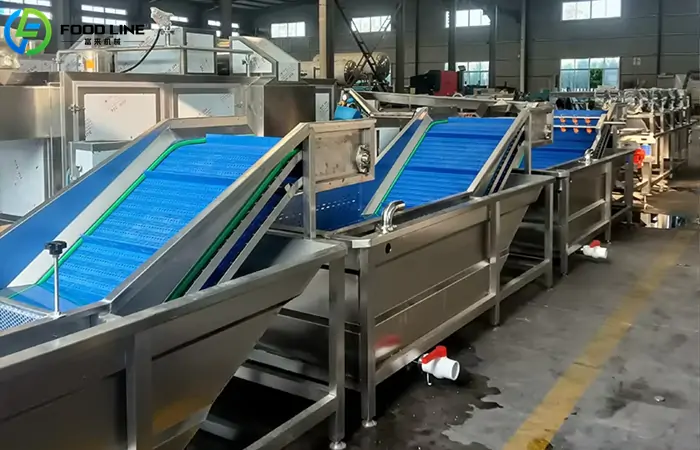
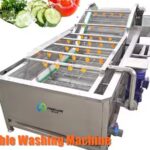
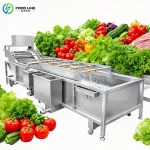
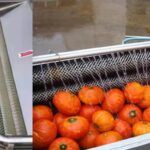
Are you looking for an industrial vegetable washing machine? You may find many types, including vegetable bubble washers, brush roller vegetable washing machines, and spray vegetable washing machines. Choosing the right vegetable washer requires more than comparing prices and machine capacity. Consider your raw materials, cleaning requirements, production targets, and factory layout. Below are the steps for choosing vegetable washing machines.
Step 2: Determine the Required Production Capacity
Capacity is one of the most important factors when selecting an industrial vegetable washing machine.
Estimate your actual hourly processing requirements rather than choosing a machine based only on its maximum advertised capacity.
For example:
Small processing operation: 500–1,000 kg/h
Medium processing plant: 1,000–3,000 kg/h
Large processing factory: 3,000 kg/h or more
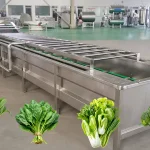
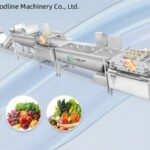
Bubble Washing Machine for Spinach | Leafy Vegetable Washer
Step 3: Consider the Level of Dirt and Cleaning Requirements
Vegetables harvested directly from the field may contain soil, sand, stones, leaves, and other debris.
For lightly soiled vegetables, a bubble or spray washer may be sufficient.
For heavily soiled root crops, consider a drum or brush pre-washing stage followed by rinsing.
If your factory has specific microbial-control requirements, discuss validated washing-water treatment and monitoring with your food safety team. Washing alone does not sterilize vegetables or guarantee the removal of pesticide residues.
Step 4: Check Water Consumption and Recycling
Water consumption affects long-term operating costs.
Ask the manufacturer about:
Fresh-water consumption per hour.
Water circulation and filtration design.
Drainage and sediment removal.
Water replacement requirements.
Final rinse water requirements.
A suitable filtration and circulation system can reduce water waste while maintaining appropriate water quality.
Step 5: Check Machine Materials and Maintenance
Before purchasing, confirm the following:
Food-contact material and stainless steel grade.
Conveyor belt material and service life.
Pump and motor quality.
Electrical control system.
Ease of disassembly and cleaning.
Availability of spare parts and technical support.
Step 6: Consider Your Complete Production Line
If you are building a vegetable processing factory, it is usually better to plan the washing equipment together with the downstream machinery.
A typical vegetable processing line may include:
Raw material feeding → Pre-washing → Main washing → Sorting → Cutting → Blanching or drying → Packaging
Not every factory needs all these machines. The configuration should match the final product and production process.
Common Mistakes When Buying a Vegetable Washing Machine
Avoid these common purchasing mistakes:
Choosing only by price: A low-cost machine may not provide the required cleaning performance or production capacity.
Ignoring vegetable characteristics: A brush washer may damage delicate leafy vegetables.
Overlooking water management: Poor filtration and water replacement can reduce washing performance.
Ignoring downstream capacity: A washing machine that processes faster than the next machine can create production bottlenecks.
Not testing actual vegetables: Request a product trial when possible to evaluate cleaning performance and product damage.
Ignoring maintenance access: Difficult-to-clean equipment can increase downtime and operating costs.
Still not sure which one to choose? Leave your products, and our team will offer you a suitable solution.