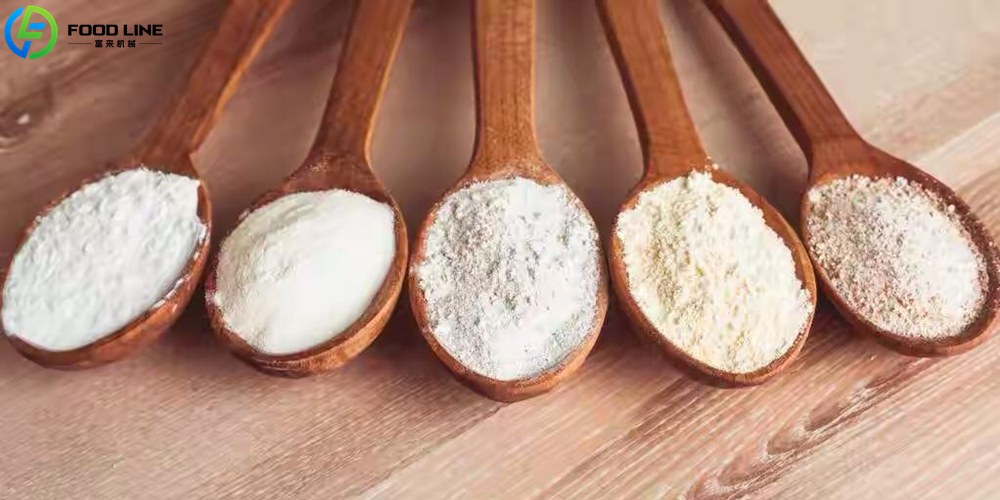
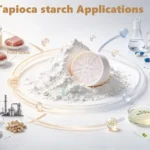
Starch is one of the most important carbohydrates found in plants and serves as a key ingredient in food processing, paper manufacturing, textiles, pharmaceuticals, adhesives, and many other industries. Derived from various plant sources, starch is valued for its thickening, binding, stabilizing, and gelling properties.
But not all starches are the same. Different types of starch offer unique characteristics that make them suitable for specific applications.
In this guide, we’ll explore the most common types of starch, their sources, properties, and industrial uses.
Rice starch is extracted from rice grains and is valued for its small particle size.
Key Characteristics
Fine granules
White appearance
Smooth texture
Common Applications
Baby foods
Cosmetics
Pharmaceuticals
Gluten-free foods
Advantages
Easy digestion
Hypoallergenic properties
6. Pea Starch
Pea starch is extracted from yellow peas and has gained popularity as a plant-based ingredient.
Key Characteristics
High amylose content
Strong gel formation
Good thermal stability
Common Applications
Plant-based foods
Meat alternatives
Gluten-free products
Functional food ingredients
Advantages
Non-GMO availability
High protein processing compatibility
Native Starch vs. Modified Starch
Starches can also be categorized based on processing methods.
Native Starch
Native starch is extracted directly from plants without chemical modification.
Examples include:
Corn starch
Cassava starch
Potato starch
Wheat starch
Benefits
Natural ingredient
Cost-effective
Suitable for basic thickening applications
Modified Starch
Modified starch undergoes physical, enzymatic, or chemical treatment to improve performance.
Benefits
Better heat resistance
Improved freeze-thaw stability
Enhanced viscosity control
Longer shelf life
Common Applications
Ready meals
Frozen foods
Industrial adhesives
Paper coatings
Comparison of Common Starch Types
Starch Type
Source
Viscosity
Transparency
Gluten-Free
Major Applications
Corn Starch
Corn
Medium
Medium
Yes
Food, paper, pharmaceuticals
Cassava Starch
Cassava Root
High
Excellent
Yes
Food, adhesives, paper
Potato Starch
Potato
Very High
Excellent
Yes
Food processing, meat products
Wheat Starch
Wheat
Medium
Good
No
Bakery, noodles
Rice Starch
Rice
Low-Medium
Good
Yes
Baby food, cosmetics
Pea Starch
Peas
Medium
Moderate
Yes
Plant-based foods
Which Type of Starch Is Best?
The best starch depends on the application:
For Food Processing
Cassava starch for noodles and snacks
Potato starch for thickening and moisture retention
Corn starch for sauces and bakery products
For Paper Manufacturing
Corn starch
Cassava starch
Modified starch
For Textile Industry
Corn starch
Cassava starch
Wheat starch
For Adhesive Production
Cassava starch
Corn starch
Modified starch
For Gluten-Free Products
Cassava starch
Potato starch
Rice starch
Future Trends in the Starch Industry
As demand for sustainable and plant-based ingredients continues to grow, starch manufacturers are investing in:
Clean-label starches
Biodegradable packaging materials
Plant-based food ingredients
High-performance modified starches
Industrial bio-based adhesives
Cassava starch and other specialty starches are expected to play an increasingly important role in both food and industrial applications.
Conclusion
Starch is a versatile ingredient used across countless industries. The most common types of starch include corn starch, cassava starch, potato starch, wheat starch, rice starch, and pea starch. Each type offers unique functional properties, making it suitable for specific applications in food production, paper manufacturing, textiles, pharmaceuticals, and industrial processing.
Understanding the characteristics of different starches helps manufacturers select the right starch for improved product quality, processing efficiency, and cost performance.