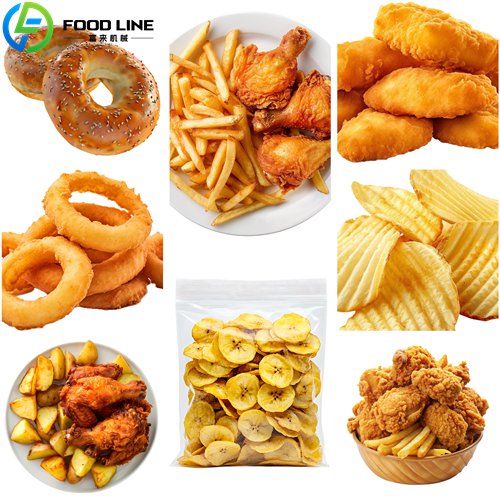
Starting a snack food factory requires more than just equipment—it needs a well-planned production system. Our snack food processing solution integrates modern food processing machines with efficient workflow design to help you achieve stable output, consistent product quality, and scalable production capacity…

Who is this snack food production line for?
This solution is ideal for:
- Investors seeking high-ROI food projects
- Entrepreneurs starting a snack food business
- Food manufacturers expanding production
- Distributors looking for turnkey solutions
Why Start a Snack Food Business in 2026?
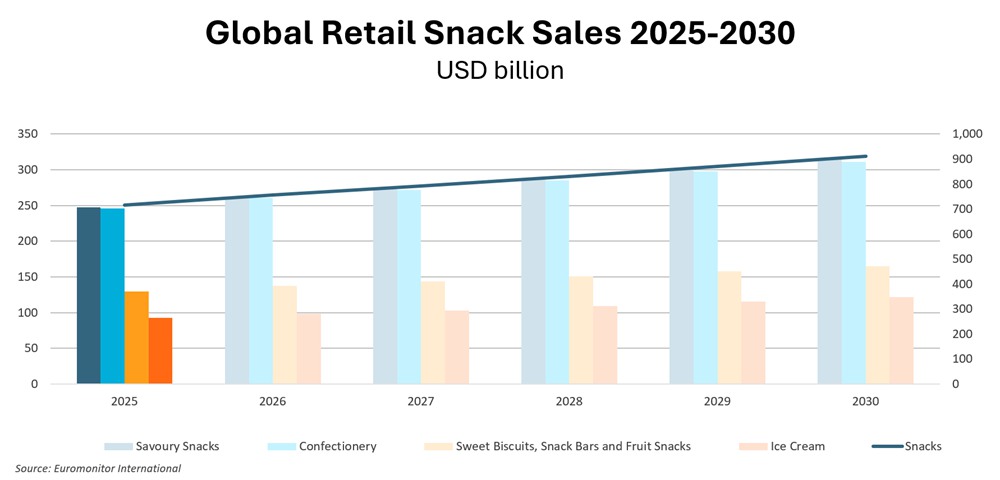
The snack industry continues to grow rapidly due to:
- Busy lifestyles → demand for convenience foods
- Rising middle-class consumers globally
- Expansion of retail & e-commerce channels
- Growth in healthy and functional snacks
👉 According to market trends, the global snack market is expected to exceed $700 billion+ in the coming years.
Translation: There’s room for new players—if you do it right.

How to Start a Snack Business (Step-by-Step Guide)
Step 1: Choose Your Snack Category (Critical Decision)
Your first decision determines everything: equipment, cost, target customers, and profit margins.
Popular Snack Categories
| Category | Examples | Investment Level | Profit Potential |
|---|---|---|---|
| Fried Snacks | Potato chips, banana chips | Medium | High |
| Extruded Snacks | Kurkure-type, puff snacks | Medium-High | Very High |
| Baked Snacks | Crackers, biscuits | Medium | Stable |
| Healthy Snacks | Protein bars, granola | Medium | Premium |
| Frozen Snacks | Nuggets, fries | High | High |
💡 Pro Tip:
If you’re targeting developing markets → fried & extruded snacks sell best.
If targeting high-income markets → healthy snacks dominate.
Step 2: Define Your Target Market
Before buying machines, answer this:
- Are you selling locally or exporting?
- Who is your customer?
- Kids
- Office workers
- Fitness consumers
- What price range?
Your processing solution must match your market.
Step 3: Snack Food Processing Solution (Core of Your Business)
This is where most beginners go wrong.
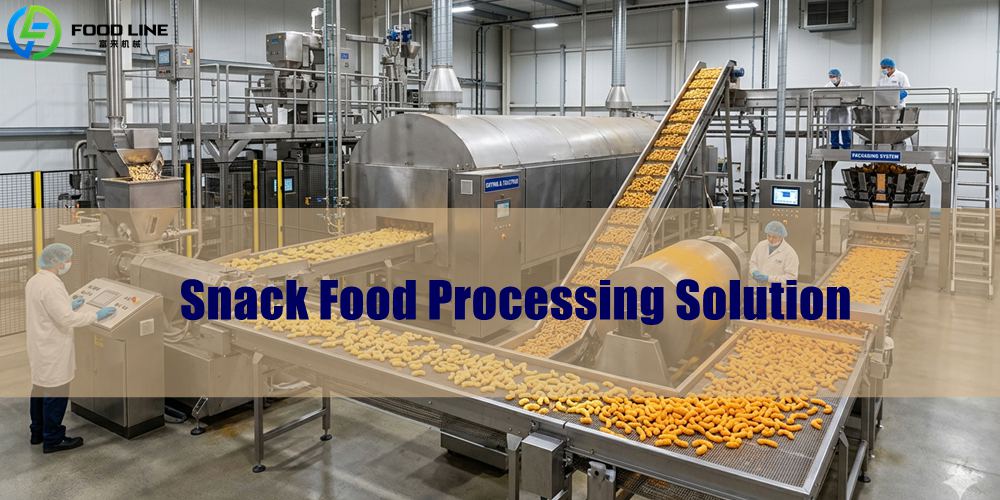
A snack processing solution is not just one machine—it’s a complete production line.

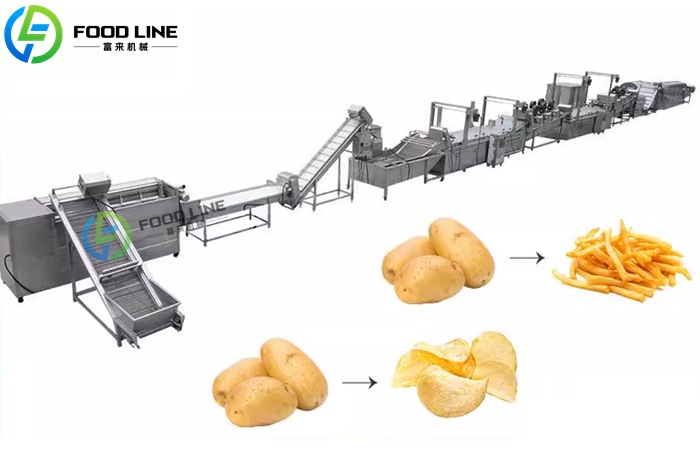
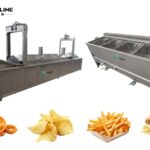
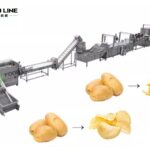
Potato Chips Processing Line
- Washing & peeling machine
- Slicing machine
- Blanching machine
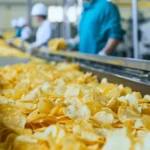
- Industrial fryer machine
- De-oiling
- Seasoning machine
- Cooling conveyor
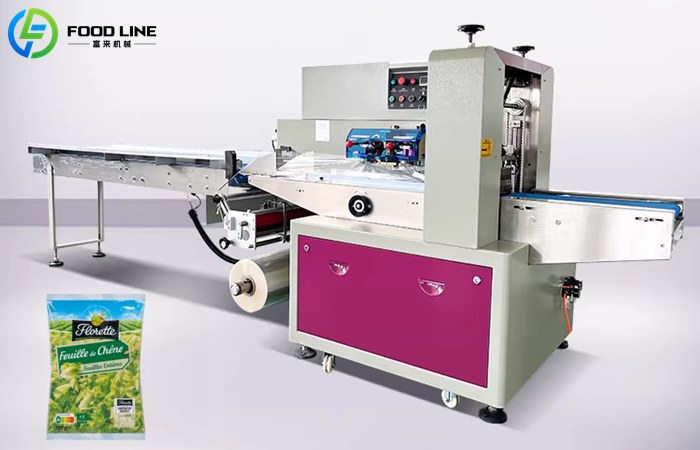
- Packaging machine

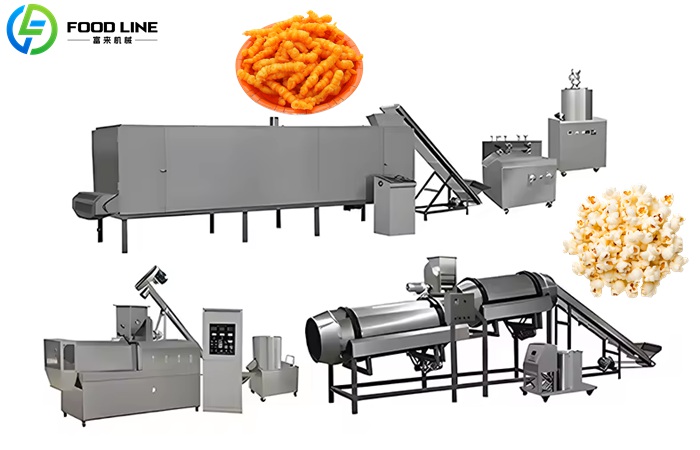
Extruded Snack Line
- Mixing raw materials
- Extrusion cooking
- Shaping
- Frying or baking
- Seasoning
- Packaging
💡 Smart Tip:
Instead of buying separate machines randomly, invest in a complete snack processing line—it ensures efficiency, consistency, and scalability.
Step 4: Estimate Investment Cost
Your startup cost depends on scale.
Small-Scale Setup
- Investment: $5,000 – $20,000
- Output: 50–100 kg/hour
- Suitable for: Local markets
Medium-Scale Factory
- Investment: $30,000 – $150,000
- Output: 100–500 kg/hour
- Suitable for: Regional distribution
Industrial Production
- Investment: $200,000+
- Output: 500+ kg/hour
- Suitable for: Export & large brands
Step 5: Factory Setup Requirements
For a small snack production line, you need about 100–300 m² of factory space, while a medium line requires 300–800 m². Your facility should have basic utilities like 3-phase electricity, a water supply, a heating source (gas or electric), and a proper drainage system.
The factory layout should be simple and organized, including separate areas for raw materials, processing, packaging, and storage. This helps improve efficiency and keeps production clean and safe.
Step 6: Licenses & Compliance
Depending on your country, you may need:
- Food production license
- Health & safety certification
- HACCP or ISO standards
💡 If you plan to export → certifications become mandatory.
Step 7: Packaging & Branding (Profit Multiplier)
Packaging is not just protection—it’s marketing.

Key Packaging Elements
- Portion sizes
- Eye-catching design
- Clear labeling
- Shelf-life protection
Popular Packaging Types:
- Vacuum packs
- Pillow bags (most common)
- Stand-up pouches
💡 Reality check:
Two snacks with the same taste can sell at 2× price difference—just because of branding.
Step 8: Sales Channels
Offline Channels
- Supermarkets
- Convenience stores
- Distributors
Online Channels
- Amazon / eCommerce
- Social media selling
- Direct website
B2B Opportunities
- Supply to restaurants
- Private label production
Step 9: Calculate Profit & ROI
Example (Simple Breakdown)
- Production cost: $1/kg
- Selling price: $2.5/kg
- Profit: $1.5/kg
If you produce 200 kg/day:
👉 Daily profit = $300
👉 Monthly profit ≈ $9,000
ROI Period
Most snack businesses recover investment in:
👉 6 – 18 months (if managed well)
Step 10: Common Mistakes to Avoid
- ❌ Buying wrong equipment
- ❌ Ignoring market demand
- ❌ Poor packaging
- ❌ No branding strategy
- ❌ Underestimating distribution
Best Supplier: Henan Foodline Machinery
Foodline Machinery has more than 20 years manufacturing experience. Our machines have been exported to 80+ countries. We offer custom factory layout design and full installation support.
FAQs
1. How much does it cost to start a snack business?
It can range from $5,000 for small-scale to $200,000+ for industrial production, depending on automation and capacity.
2. Which snack is most profitable?
Extruded snacks and fried chips are among the most profitable due to:
- Low raw material cost
- High consumer demand
- Easy scalability
3. What is the ROI period?
Typically 6 to 18 months, depending on your production capacity and sales channels.
4. What utilities are required?
- Electricity
- Water
- Heating source (gas or electric)
5. Can I start small and expand later?
Yes—and that’s actually the best strategy. Start with a small line and upgrade as demand grows.