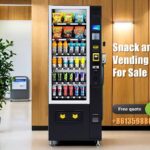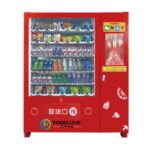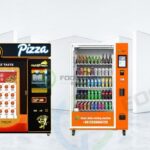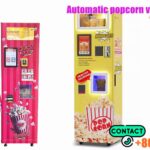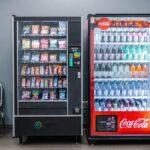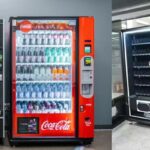
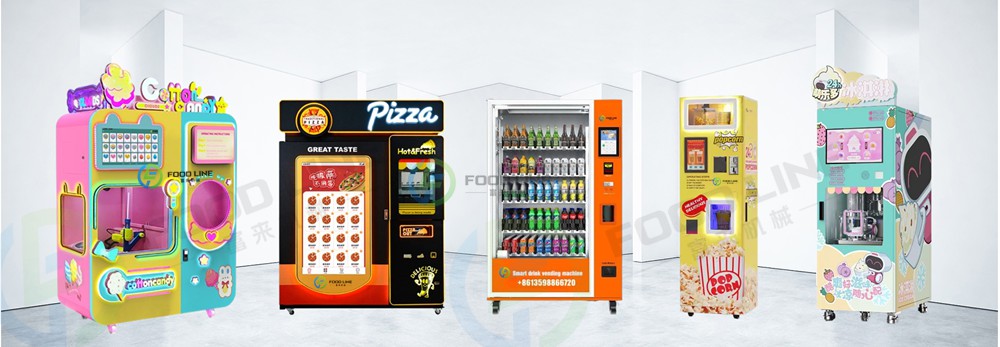
Walk into any modern office, gym, or airport in 2026, and you’ll notice something interesting: the automatic vending machines are no longer just snack dispensers—they’re smart retail hubs.
From cashless payments to AI-powered inventory tracking, the vending machine business has evolved significantly. But the big question remains:
👉 Is the vending machine business still worth investing in 2026?
Short answer: Yes—but only if you do it right.
Let’s break it down with real insights, industry trends, and practical experience.
The Current State of the Vending Machine Industry
The global vending industry is experiencing steady growth, driven by convenience culture and automation.
Key Trends in 2026:
- Cashless & mobile payments dominate
- Smart vending machines with IoT integration
- Health-conscious and premium product offerings
- Micro-retail and unattended stores
- Customization for niche markets (offices, schools, gyms)
This isn’t the old coin-operated model anymore—this is automated retail.
How Profitable Is a Vending Machine Business?
Profitability depends on three main factors:
1. Location (80% of success)
High-traffic areas = higher revenue.
Best locations include:
- Office buildings
- Factories
- Hospitals
- Schools & universities
- Transportation hubs
2. Product Selection
Gone are the days of just chips and soda.
Top-performing categories in 2026:
- Healthy snacks
- Fresh food & ready meals
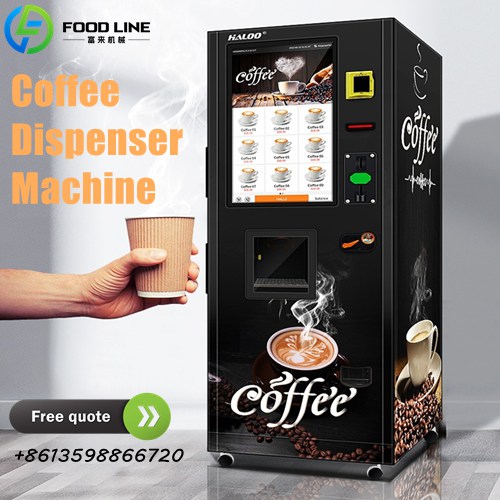
- Coffee & beverages
- Protein bars & fitness products
3. Machine Type
Different machines = different margins.
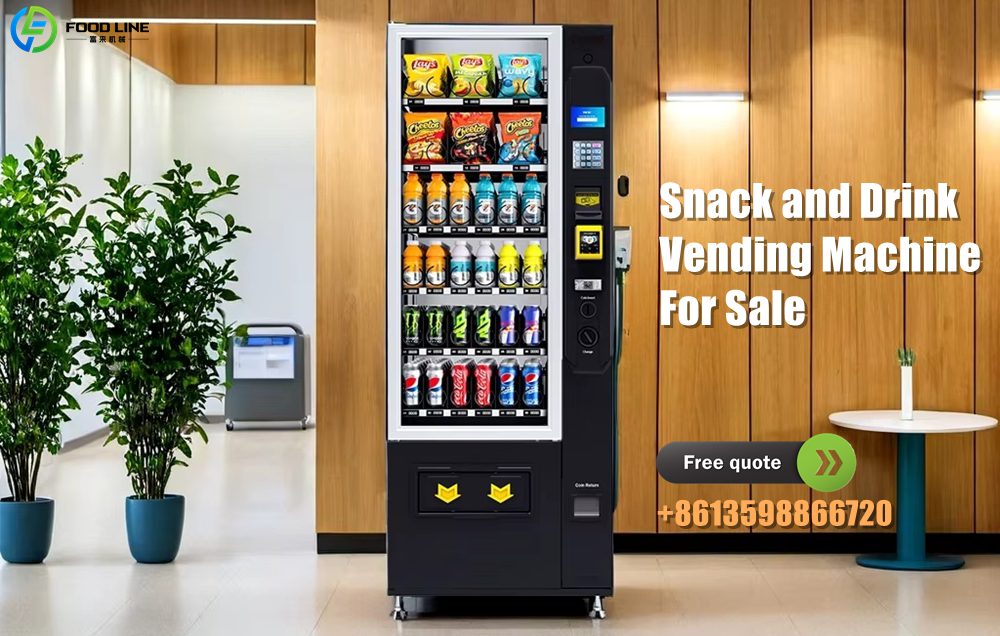
| Machine Type | Average Profit Margin | Notes |
|---|---|---|
| Snack vending machine | 30%–50% | Low cost, stable demand |
| Drink vending machine | 25%–45% | High volume sales |
| Combo machine | 35%–55% | Best for small spaces |
| Smart vending machine | 40%–60% | Higher investment, higher returns |
Startup Costs in 2026
Let’s talk real numbers.
Initial Investment:
- Basic vending machine: $1,500 – $5,000
- Smart vending machine: $5,000 – $15,000+
- Inventory: $200 – $1,000
- Location fees (if applicable): varies
👉 Estimated startup range: $2,000 – $20,000
Real-World Experience: What Most Beginners Get Wrong
From industry experience and supplier insights, many beginners fail due to:
- Choosing low-traffic locations
- Overpaying for machines without ROI planning
- Poor product selection (no local demand research)
- Ignoring machine maintenance and restocking frequency
💡 Insight:
A well-placed $3,000 machine can outperform a poorly placed $10,000 smart machine.
Advantages of Starting a Vending Machine Business
- Low Labor Requirements: Once installed, machines run 24/7 with minimal supervision.
- Scalable Business Model: Start with 1–2 machines, scale to 50+ over time.
- Passive Income Potential: Not 100% passive—but significantly less hands-on than traditional retail.
- Flexible Product Strategy: Easily adapt to trends and customer preferences.
Challenges You Should Know
- Location Competition: Premium spots are competitive and may require commissions.
- Maintenance & Downtime: Machine breakdowns = lost revenue.
- Cash Flow Takes Time: ROI typically takes 3–12 months.
- Market Saturation (in some areas): Urban areas may be crowded—niche targeting is key.
Smart Vending: The Game Changer in 2026
Smart vending machines are powered by:
- AI inventory management
- Remote monitoring systems
- Digital advertising screens
- Data-driven product optimization
These features improve:
- Efficiency
- Customer experience
- Profit margins
👉 If you’re entering the market in 2026, smart vending is the future.
Who Should Start a Vending Machine Business?
This business is ideal for:
- Entrepreneurs seeking semi-passive income
- Distributors and wholesalers
- Small business owners diversifying income streams
- Investors looking for low-risk entry points
Expert Tips to Succeed in 2026
1. Start Small, Scale Smart
Begin with 1–3 machines and test locations.
2. Focus on High-Traffic Locations
Always prioritize foot traffic over cheap rent.
3. Use Data to Optimize Sales
Track best-selling products and adjust inventory.
4. Partner with Reliable Manufacturers
Quality machines reduce long-term costs.
5. Offer Cashless Payment Options
Essential in 2026—no exceptions.
Is It Still Worth It in 2026?
✔ YES—if you treat it like a business, not a side hobby.
The vending machine industry is growing, adapting to technology, and becoming more profitable with smart systems.
👉 If you’re looking for a scalable, relatively low-risk business model, vending machines are still a solid opportunity.
Henan Foodline Machinery – Automatic Vending Machines Supplier
Looking to start or expand your vending machine business?
Henan Foodline Machinery offers:
- High-quality vending machines
- OEM & customization services
- Competitive factory pricing
- Global export experience
👉 Contact us today to get expert advice and the best machine solutions for your market.
FAQs
Typically $100–$1,000+ per machine, depending on location and product selection.
Usually 6 to 18 months, depending on initial investment and sales performance.
Yes. They offer better tracking, higher efficiency, and increased revenue potential.
It depends on your country or state. Always check local regulations.
Snacks, Drinks, Healthy options, Coffee, Ready-to-eat meals
Related Posts: