Food Trailer | Starting and growing a profitable mobile food business.
Food trailers are one of the fastest-growing segments in the global foodservice industry. From street food vendors and café owners to event caterers and franchise startups, entrepreneurs around the world are choosing food trailers as a flexible, cost-effective, and scalable business solution. So today, Foodline Machinery will introduce the food truck trailer to you in detail.
Whether you’re launching a burger trailer, coffee trailer, cocktail bar trailer, or fully equipped kitchen trailer, this guide will walk you through everything you need to know about food trailers—from types and designs to costs, regulations, customization, and buying tips.
What Is a Food Trailer?
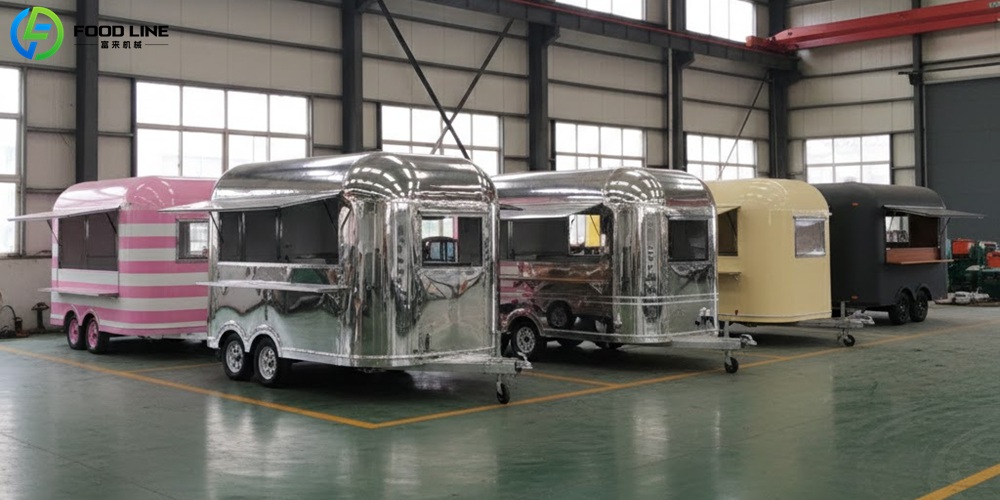
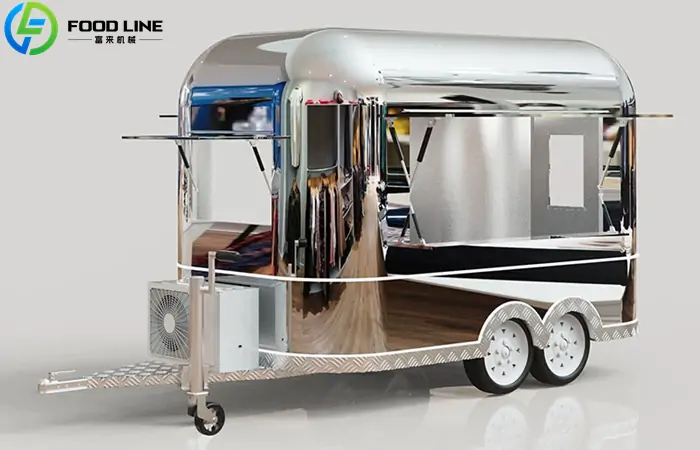
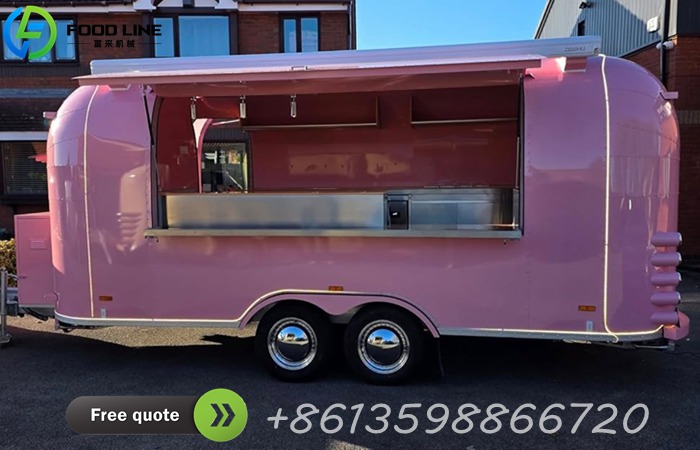
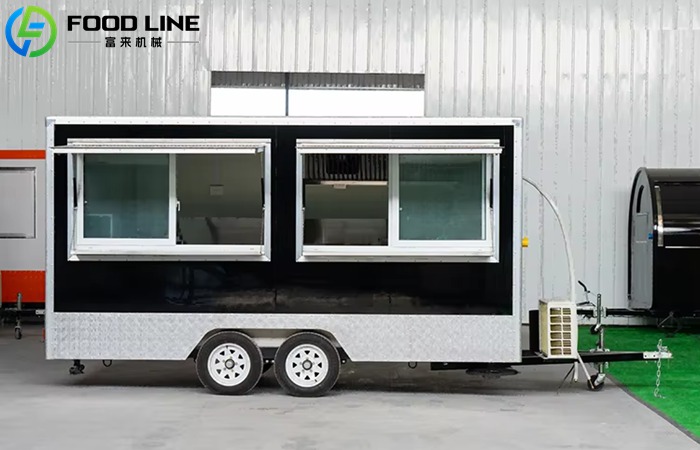
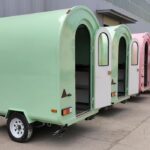
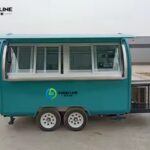
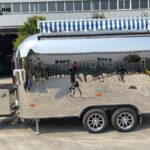
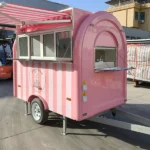
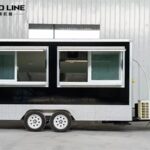
A food trailer is a towable mobile food unit designed for preparing, cooking, displaying, and selling food or beverages.
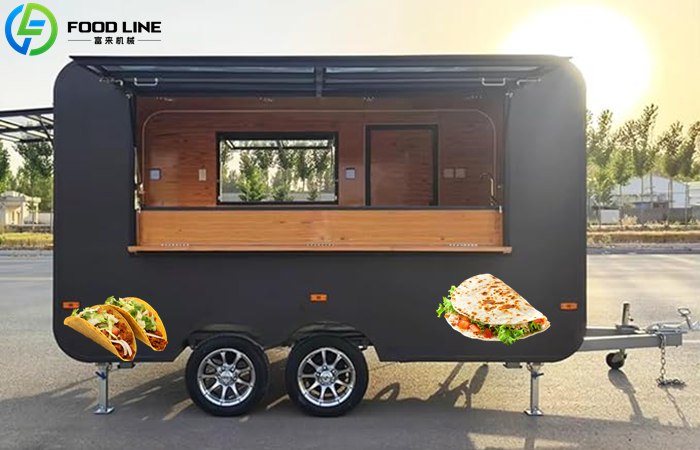
Designed for fast food items such as burgers, fries, tacos, hot dogs, and fried snacks.
Common features:
Fryers and grills
Flat top griddles
Ventilation hoods
Compact workflow layout
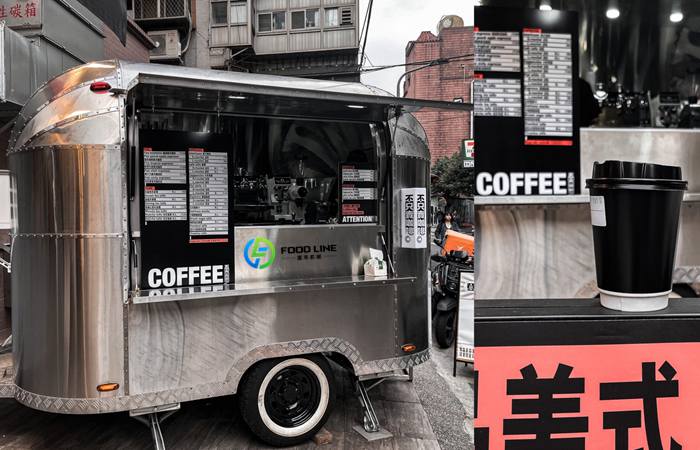
2. Coffee Trailers
Coffee trailers are one of the most profitable food trailer businesses.
Typical equipment:
Espresso machine
Coffee grinder
Water filtration system
Refrigerated milk storage
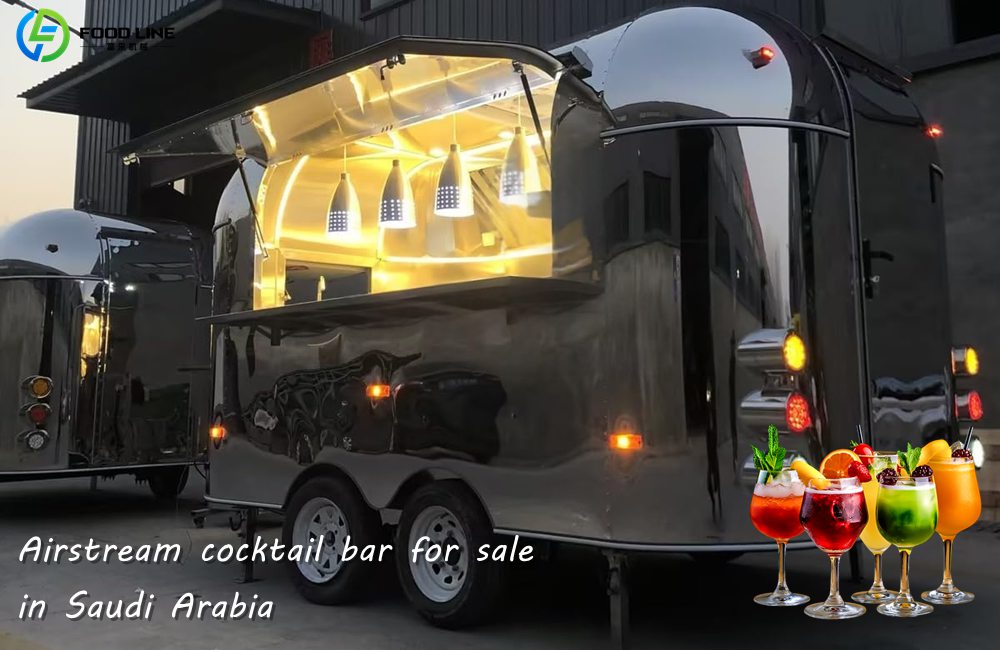
3. Beverage & Cocktail Bar Trailers
Mobile bar trailers (with LED lighting & Open serving windows) are trending globally for:
Weddings
Night markets
Music festivals
Private events
They can serve cocktails, beer, wine, mocktails, soft drinks, etc.
4. BBQ & Smoker Trailers
Perfect for:
Barbecue ribs
Smoked meats
Pulled pork & brisket
This mobile BBQ truck trailer is often equipped with Commercial smokers, Charcoal or gas grills, High-capacity storage.
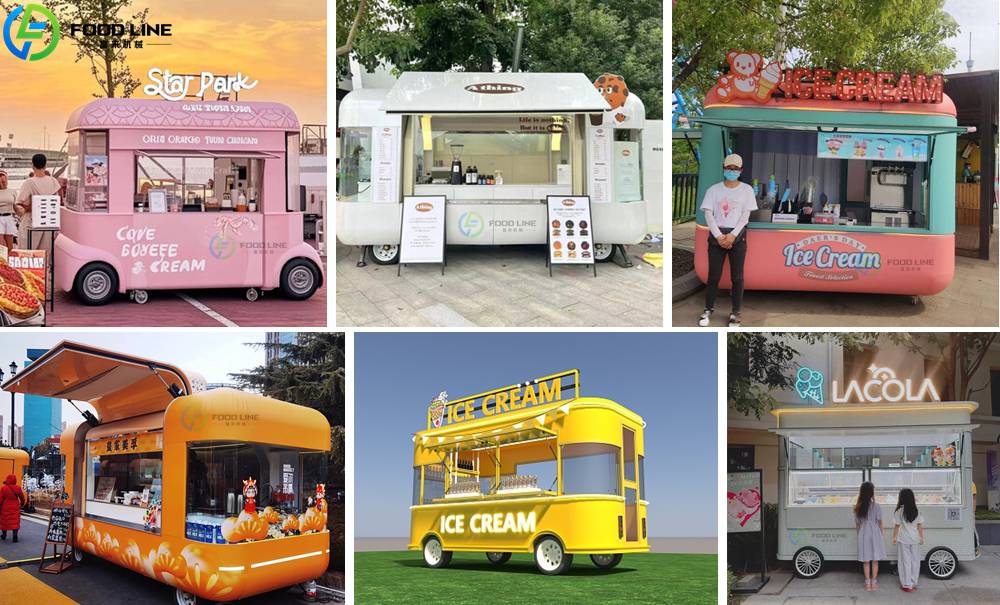
5. Dessert & Ice Cream Trailers
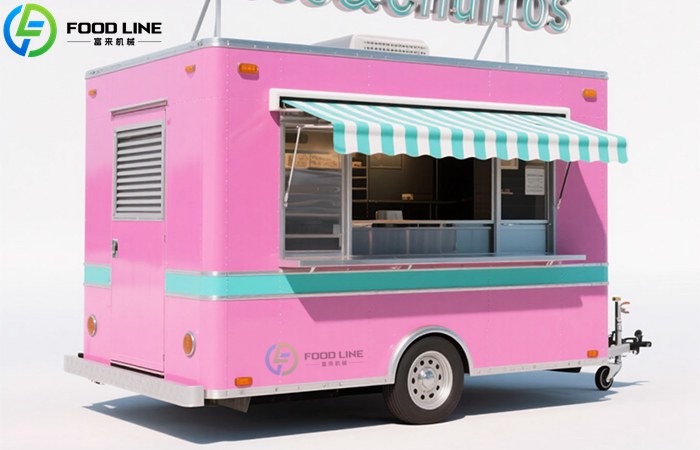
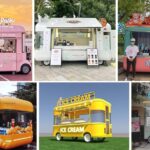
This kind of food trailers includes Ice cream trailers, Waffle trailers, Churros trailers, Crepe trailers, etc.
Key design priorities:
Eye-catching visuals
Refrigeration efficiency
Fast service flow
6. Multi-Purpose Kitchen Trailers
Built for professional catering and complex menus.
Features:
Hot & cold food separation
Full stainless-steel kitchen
Multiple cooking stations
Food Trailer Sizes & Layout Options
Food trailers come in various sizes to suit different business needs. If you want to buy a custome food trailer, feel free to contact Foodline Machinery. OEM services support.
A smart food trailer layout focuses on smooth staff workflow, strict food safety compliance, strategic equipment placement, and easy access to storage. When everything is positioned logically, staff move faster, preparation is safer, and service runs more efficiently—often increasing serving speed by 30–50%.
Custom Food Trailers: Design & Branding
One of the biggest advantages of food trailers is customization. Because custom trailers allow businesses to stand out and create a strong visual identity.
Exterior Customization
Logo & brand graphics
Color schemes
LED menu boards
Awning & canopy
Interior Customization
Equipment configuration
Stainless steel worktops
Storage cabinets
Electrical & plumbing systems
What Are Common Materials Used
Galvanized steel chassis
Aluminum or fiberglass walls
Stainless steel kitchen interiors
Anti-slip flooring
Food Trailer Equipment List (What’s Inside?)
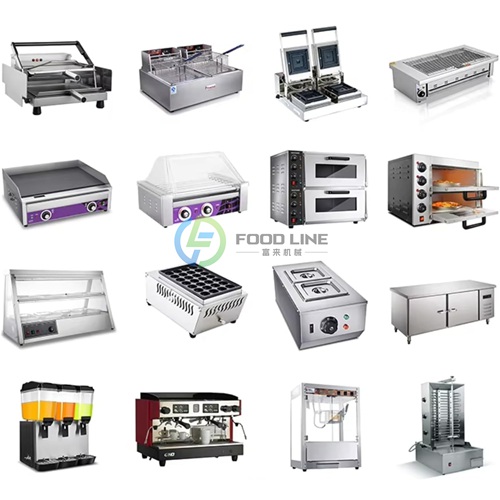
Depending on your menu, a food trailer may include:
Want to know the food trailer price with shipping cost? Contact Foodline Machinery to get the best price
Food Trailer vs Restaurant: ROI Comparison
Factor
Food Trailer
Restaurant
Startup cost
Low
High
Rent
None
Monthly
Flexibility
High
Low
Break-even
Fast
Slow
Many entrepreneurs recover their investment within 3–7 months.
Exporting Food Trailers Worldwide
Food trailers are widely exported for international markets.
Key export considerations:
Voltage & electrical standards
Plug & gas compatibility
Shipping method (container or RO-RO)
As a professional manufacturer, Foodline Machinery can handle export packaging, documentation, andcompliance adjustments.
How to Choose the Right Food Trailer Manufacturer
Key Evaluation Points
Manufacturing experience
Customization capability
Quality control
After-sales support
Export experience
Choosing the right supplier ensures long-term reliability and business success.
Maintenance & Daily Operation Tips
Clean daily after service
Check gas and electrical systems regularly
Maintain refrigeration temperature
Schedule routine inspections
Proper maintenance extends trailer life and ensures safety.
Frequently Asked Questions About Food Trailers
Are food trailers profitable?
Yes. With low overhead costs, many food trailers achieve high profit margins.
Can I customize my food trailer?
Absolutely. Customization is one of the biggest advantages.
How long does production take?
Typically 15–30 working days depending on design.
Can food trailers be shipped internationally?
Yes. Food trailers are commonly exported worldwide.
Why Food Trailers Are the Future of Mobile Food Business
Food trailers bring together flexibility, lower costs, creative freedom, and room to grow. Whether you’re just starting out or already running an established food brand, they offer a practical, low-risk way to expand and reach more customers.
As people continue to look for convenient, memorable food experiences, food trailers are no longer just a trend—they’re becoming a lasting and essential part of today’s foodservice industry.
Ready to Build Your Custom Food Trailer?
A professionally designed food trailer is more than a vehicle—it’s a mobile business asset. From concept to delivery, choosing the right partner makes all the difference.